Publications
| 2028 (0) | 2027 (0) | 2026 (1) | 2025 (2) |
| 2024 (7) | 2023 (5) | 2022 (3) | 2021 (5) |
| 2020 (3) | 2019 (12) | 2018 (5) | 2017 (3) |
| 2016 (4) | 2015 (2) | 2014 (4) | 2013 (7) |
| 2012 (7) | 2011 (1) | 2010 (2) | 2008 (1) |
| Please select a year above to display the corresponding publications. |
Recent Papers
Bidentate Versus Monodentate Phosphines on Nickel Phosphide Nanoparticles for the Semi-Hydrogenation of Phenylacetylene at 0 °C
|
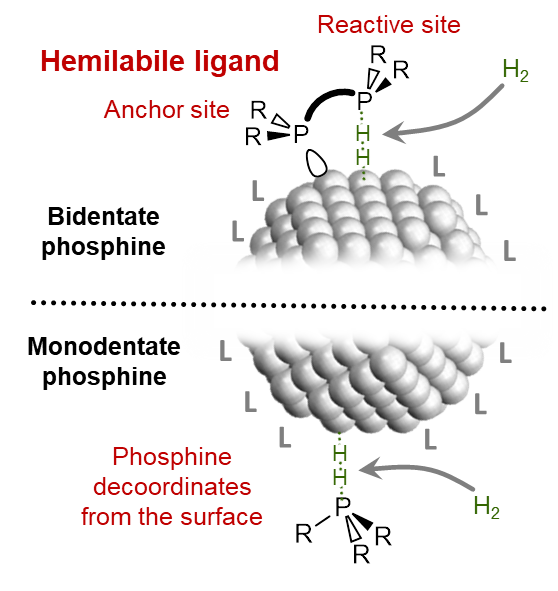
This study investigates how phosphine ligand structure, specifically monodentate versus bidentate coordination, affects the low-temperature hydrogenation of phenylacetylene catalyzed by nickel phosphide nanoparticles. While as-prepared nanoparticles show no activity at 0 °C, adding carefully selected phosphine ligands enables partial conversion to styrene with complete selectivity. Sixteen phosphines were screened to assess how steric and electronic factors tune surface reactivity. |
 |
K. Bakkouche, S. Carenco, ChemNanoMat 2026, DOI 10.1002/cnma.70321 |
H2-Assisted Synthesis of Nickel Phosphide Nanocatalysts for the Hydrogenation of Phenylacetylene at Low Temperature
|
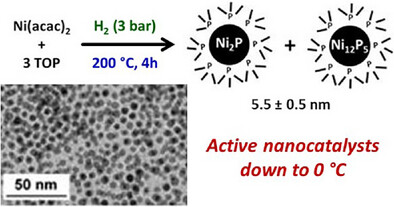
Nickel phosphide nanoparticles are valuable catalysts for hydrogenation reactions but typically require high temperatures and oleylamine, which limits surface reactivity. This study presents a new H2-assisted synthesis method at 200 °C using tri-n-octylphosphine (TOP) to produce well-crystallized Ni12P5 and Ni2P nanoparticles (5.5 nm). Characterization confirmed phase control through temperature, reaction time, and TOP/Ni ratio. The nanoparticles catalyzed phenylacetylene hydrogenation, even at temperatures as low as 0 °C with tri-n-butylphosphine co-catalyst. |
 |
K. Bakkouche, O. Darouiche, S. Carenco, ChemCatChem 2025, DOI 10.1002/cctc.202500323 |
Two-Step Reduction Pathway of Copper(II) by Oleylamine for the Nucleation of Cu(0) Nanoparticles: A Joint Modelling and Experimental Study
|
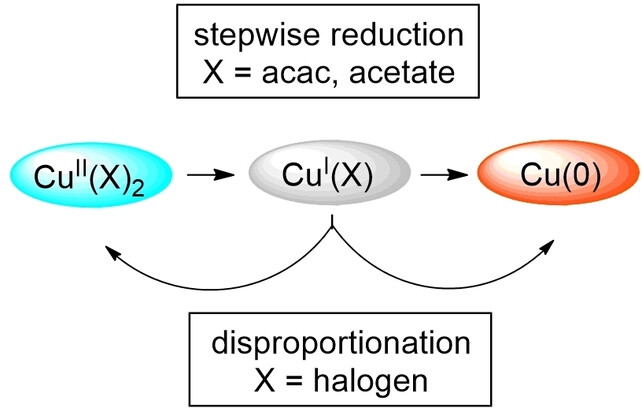
We combine computational evaluation of Cu(II) and Cu(I) reduction and X-ray absorption spectroscopy monitoring of the oxidation state of copper to show that formation of Cu(0) nanoparticles starting from copper(II) acetylacetonate in oleylamine goes through a two-steps process, with the intermediate formation of Cu(I) complexes. Influence of phosphine ligands is demonstrated and usage of alternative copper sources is discussed. |
 |
M. Guillaumont, S. Halbert, A. P. Freitas, V. Briois, S. Carenco, H. Gérard, ChemPhysChem 2025, DOI 10.1002/cphc.202401027 |
Frustrated Lewis pairs on nanoparticles for colloidal catalysis: dream or reality?
|
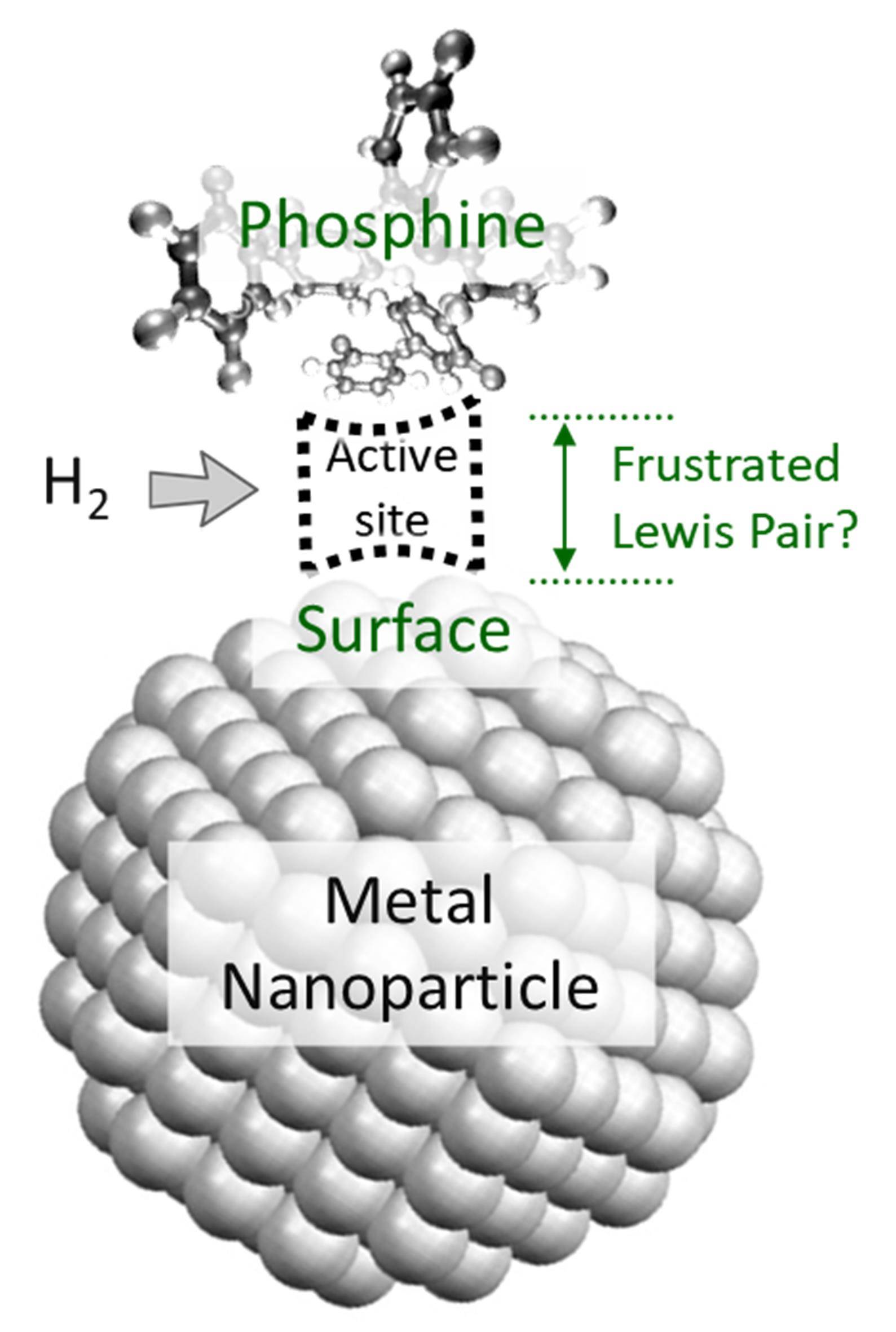
Catalysis by the colloidal suspension of nanoparticles has attracted considerable attention in recent years as it may combine interesting features: (i) the possibility of using inorganic catalysts, such as those of transition metal nanoparticles; (ii) the opportunity of adding well-designed ligands, as in homogeneous catalysis, to tune the activity and selectivity of a given reaction. Here, we propose and illustrate the design of metal nanoparticles in colloidal suspension as Lewis acid partners of a “NanoFLP”. This concept was explored for the hydrogenation of alkynes such as phenylacetylene. However, to this date, no direct proof for the occurrence of an FLP has been provided on the examples that we developed. We discuss possible interpretations of the experimental data and ways of clarifying the mechanism involved. |
 |
S. Carenco, Comptes Rendus. Chim. 2024, 27, 395–403. |
The role of manganese in CoMnOx catalysts for selective long-chain hydrocarbon production via Fischer-Tropsch synthesis
|
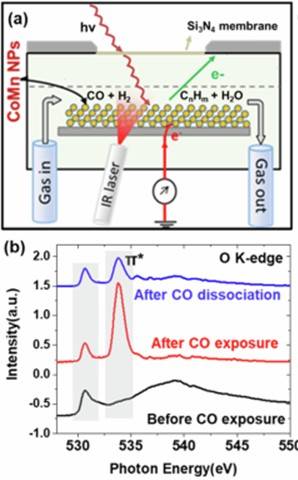
We present an experimental and theoretical study using model catalysts consisting of crystalline CoMnOx nanoparticles and thin films, where Co and Mn are mixed at the sub-nm scale. Employing TEM and in-situ X-ray spectroscopies (XRD, APXPS, and XAS), we determine the catalyst’s atomic structure, chemical state, reactive species, and their evolution under FTS conditions. We show the concentration of CHx, the key intermediates, increases rapidly on CoMnOx, while no increase occurs without Mn. DFT simulations reveal that basic O sites in CoMnOx bind hydrogen atoms resulting from H2 dissociation on Co0 sites, making them less available to react with CHx intermediates, thus hindering chain termination reactions, which promotes the formation of long-chain hydrocarbons. |
 |
H. Chen, Z. Lian, X. Zhao, J. Wan, P. F. Pieters, J. Oliver-Meseguer, J. Yang, E. Pach, S. Carenco, L. Treps, N. Liakakos, Y. Shan, V. Altoe, E. Wong, Z. Zhuo, F. Yang, J. Su, J. Guo, M. Blum, S. H. Lapidus, A. Hunt, I. Waluyo, H. Ogasawara, H. Zheng, P. Yang, A. T. Bell, N. López, M. Salmeron, Nat. Commun. 2024, 15, 10294 |
Structure Sensitivity, Magnetization, and Topological Analysis in DFT Models of Ni Nanoparticles and Surfaces Functionalized by Adsorbed Trimethylphosphine
|
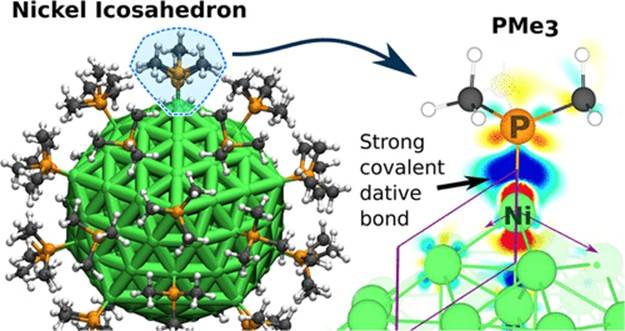
The adsorption properties of trimethylphosphine (PMe3) on Ni nanoparticles (NPs) and extended surfaces were investigated via spin-polarized dispersion-corrected density functional theory calculations. The coverage effect of phosphine was explored by considering monoadsorption and monoshells on NPs and various adlayers from low coverage to saturation on surfaces. Icosahedral, ino-decahedral, cuboctahedral, truncated octahedral, and Marks-decahedral Ni nanoclusters at a size of 146–147 atoms were compared to the Ni(111), (100), and (110) surfaces. |
 |
S. Godoy-Gutierrez, A. Ropp, K. Azouzi, J. Pilmé, S. Carenco, D. Loffreda, J. Phys. Chem. C 2024, 128, 16501–16513. |
A Robust Synthesis of Co2P and Ni2P Nanocatalysts from Hexaethylaminophosphine and Phosphine-Enhanced Phenylacetylene Hydrogenation
|
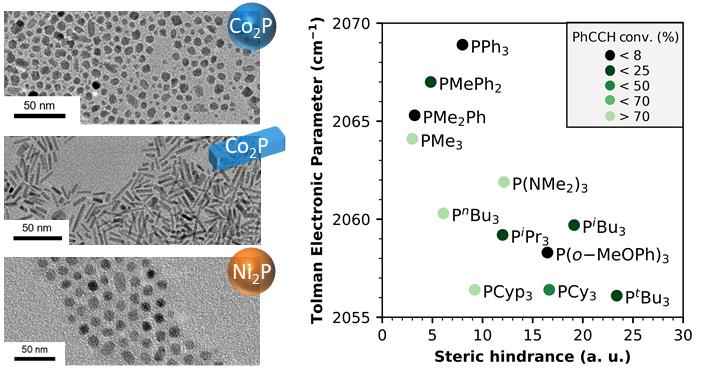
We selected a commercial aminophosphine, HETAP, as the phosphorus precursor to develop a robust synthesis crystalline Co2P and Ni2P nanoparticles with high yields on a 9 mmol scale. Moreover, modification of the nanoparticles via the addition of a molecular Lewis base triggered catalytic activity of the colloidal suspension at low temperature for the hydrogenation of phenylacetylene. We delineated the most efficient phosphines in the case of a Ni2P catalyst, using a stereoelectronic map of 13 phosphines. |
 |
A. Ropp , S. Carenco, Inorg. Chem. 2024, DOI 10.1021/acs.inorgchem.4c02743 |
Operando Monitoring of Homolytic Cleavage of H2 into Surface Hydrides on Defective Cerium Dioxide Nanoparticles
|
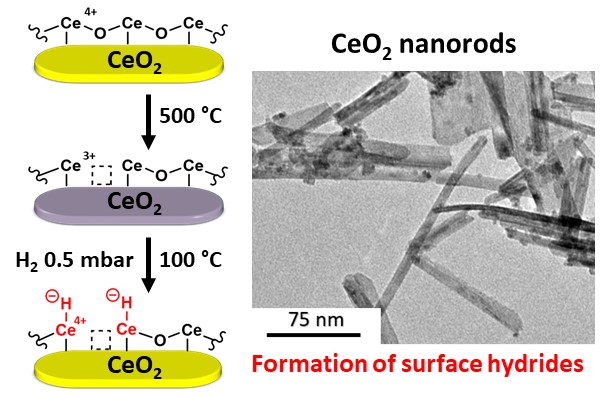
We designed a low-temperature synthetic route for CeO2 nanorods. We employed near-ambient-pressure X-ray photoelectron spectroscopy to monitor the cerium surface oxidation state during the initial annealing of the nanopowder, followed by exposure to a moderate pressure of H2. We demonstrate that H2 homolytic splitting at cerium sites is the main activation process at 100 °C, leading to the oxidation of 30% of the surface cerium atoms, while the H2 splitting at oxygen sites was absent. |
 |
R. F. André, J.-J. Gallet, F. Bournel, S. Carenco, ChemCatChem 2024, DOI 10.1002/cctc.202400163. |
Phosphines on Colloidal Nickel Nanocatalysts to Lower the Onset Temperature of Terminal Alkynes Hydrogenation
|
We show that phosphines with adequate steric hindrance (e.g., PnBu3 and PiBu3) lower the onset temperature for phenylacetylene hydrogenation by nickel NPs under 7 bar of H2, by ca 10 to 20 °C depending on the NP diameter. This result is of conceptual value because the hydrogenation may have been driven by the frustrated Lewis pair (FLP) between the Lewis basic phosphine and the Lewis acid nickel surface, forming a so-called “NanoFLP”. Moreover, we demonstrated that less than 2 phosphines per Ni surface atom are enough for the effect to arise. We showed that other terminal alkynes, like 1-octyne, can be hydrogenated with this method. |
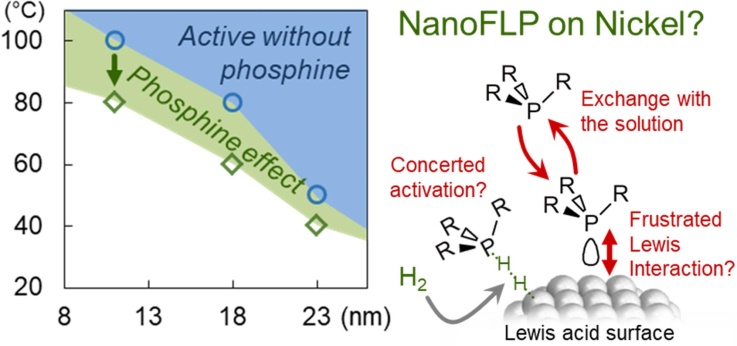 |
K. Azouzi, A. Ropp, S. Carenco, ACS Catalysis 2024, DOI 10.1021/acscatal.4c00054. |
Phosphine-Enhanced Semi-Hydrogenation of Phenylacetylene by Cobalt Phosphide Nano-Urchins
|
We report the positive effect of phosphine additives on the activity of cobalt phosphide nano-urchins for the semi-hydrogenation of phenylacetylene. While the nanocatalyst's activity was low under mild conditions (7 bar of H2, 100 °C), the addition of a catalytic amount of phosphine remarkably increased the conversion, e. g., from 13 % to 98 % in the case of PnBu3. A stereo-electronic map was proposed: the strongest effect was observed for low to moderately hindered phosphines, associated with strong electron donor abilities. |
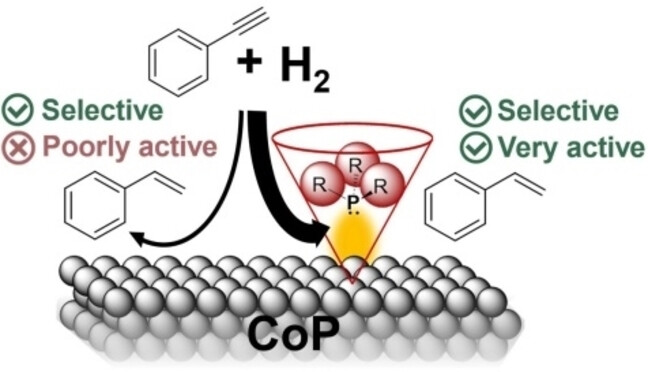 |
A. Ropp, R. F. André, S. Carenco, ChemPlusChem 2023, DOI 10.1002/cplu.202300469. |
From Ce(OH)3 to Nanoscaled CeO2: Identification and Crystal Structure of a Cerium Oxyhydroxide Intermediate Phase
|
While the literature contains tens of protocols to prepare cerium oxide nanoparticles from Ce(III) precursors, there is still an open question regarding the time at which the cerium oxidation occurs and the role of hydroxide phases in this process. This article identifies an oxyhydroxide phase of Ce(IV) of the chemical formula CeO(OH)2 as a key intermediate and proposes a crystal structure for it. |
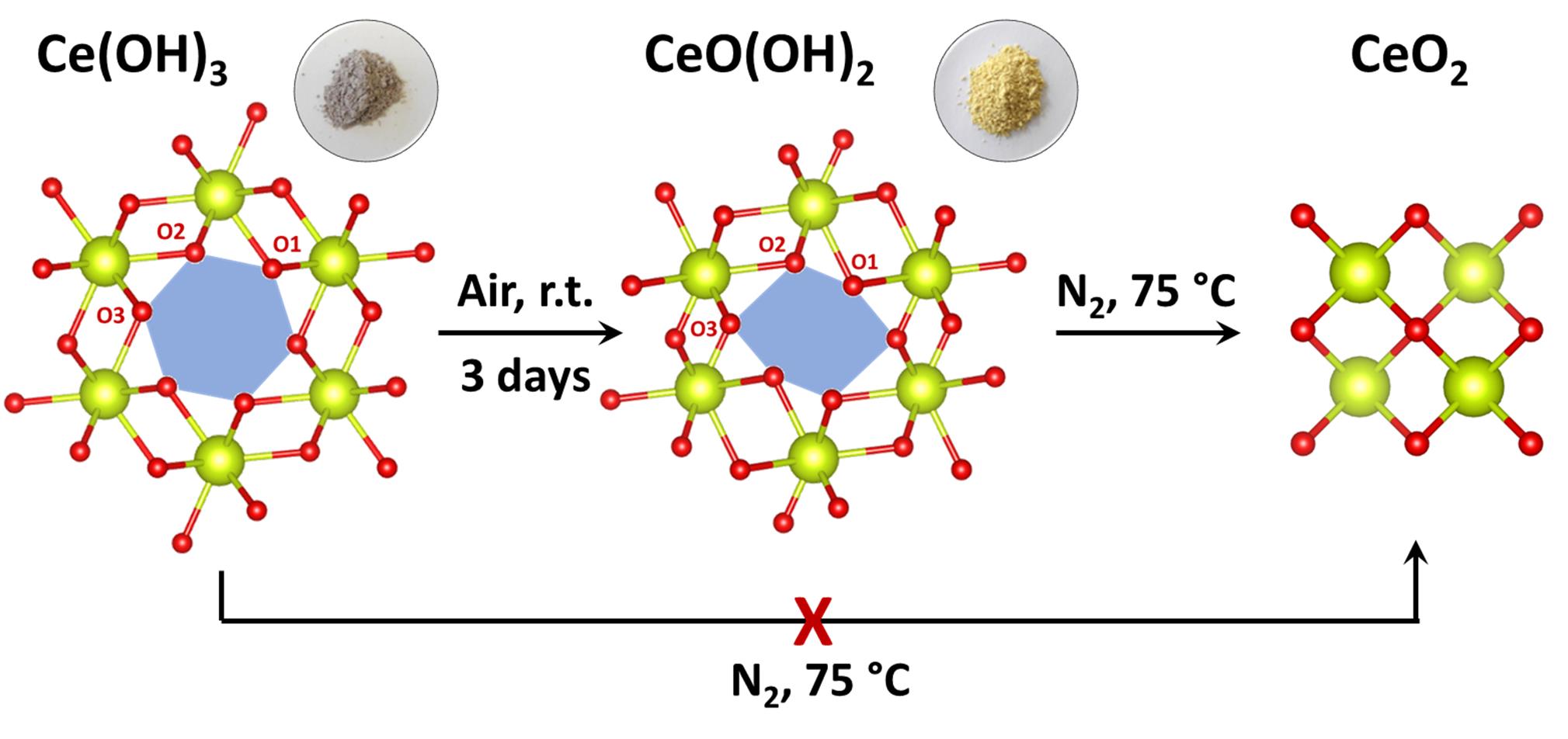 |
R. F. André, G. Rousse, C. Sassoye, M. Avdeev, B. Lassalle-Kaiser, B. Baptiste and S. Carenco, Chem. Mater. 2023, DOI 10.1021/acs.chemmater.3c00486. |
Influence of the Cobalt Active Site Neighbors in NiCo Nanocatalysts for Phosphine-Assisted Silane Activation
|
NiCo nanoparticles are active catalysts at room temperature for Si−H bond activation. We designed nanoparticles with a nickel core and a limited amount of cobalt surface sites to clarify which of the two metals was the active site and if the neighbouring atoms influenced the reaction efficiency. The trend in catalytic activity is consistent with cobalt being the active site, and it shows a higher activity when its immediate neighbours are cobalt atoms. |
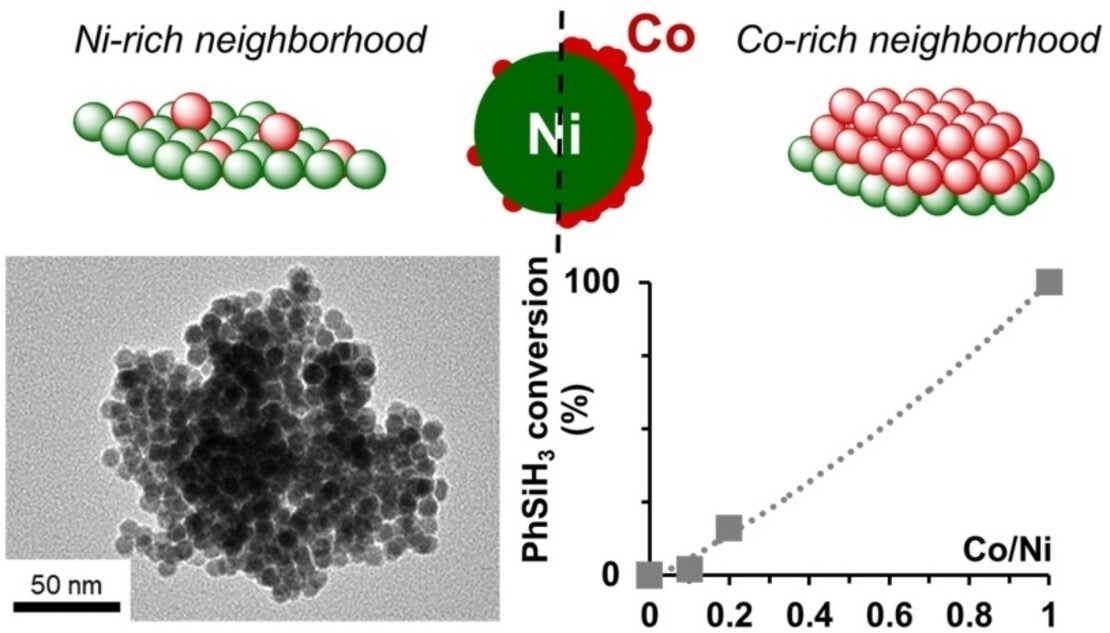 |
A. Ropp, S. Carenco, ChemCatChem 2023, DOI 10.1002/cctc.202300400. |
Phosphine-Catalyzed Activation of Phenylsilane for Benzaldehyde Reduction
|
Here, we studied the organocatalyzed hydrosilylation of benzaldehyde with a phosphine, introduced at 10 mol %, and phenylsilane at room temperature. The best results of the screening over 13 phosphines and phosphites were obtained with linear trialkylphoshines (PMe3, PnBu3, POct3), indicating the importance of their nucleophilicity. The products of the hydrosilylation were identified, allowing a monitoring of the concentration in the different species. |
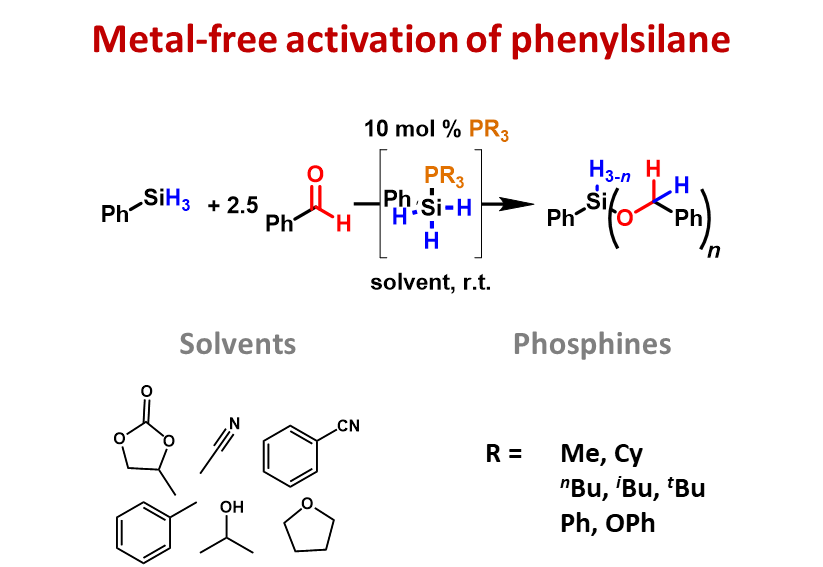 |
R. F. André, A. Palazzolo, C. Poucin, F. Ribot, S. Carenco, ChemPlusChem 2023, doi 10.1002/cplu.202300038 |
Optical-Quality Thin Films with Tunable Thickness from Stable Colloidal Suspensions of Lanthanide Oxysulfide Nanoplates
|
We developed here thin films of lanthanide oxysulfide, of optical quality by dip coating. As a model compound in the family of oxysulfides, (Gd,Ce)2O2S anisotropic nanoplates were used. The band gap of the materials was preserved through the deposition process. The thickness of the films was tuned in a broad range, from a few nanometers to 150 nm, using different concentrations of the colloidal suspensions and single-layer and multilayer deposition. Lastly, thermal treatment of the thin films was optimized to remove the stabilizing organic ligands of the nanoparticles while preserving their integrity. |
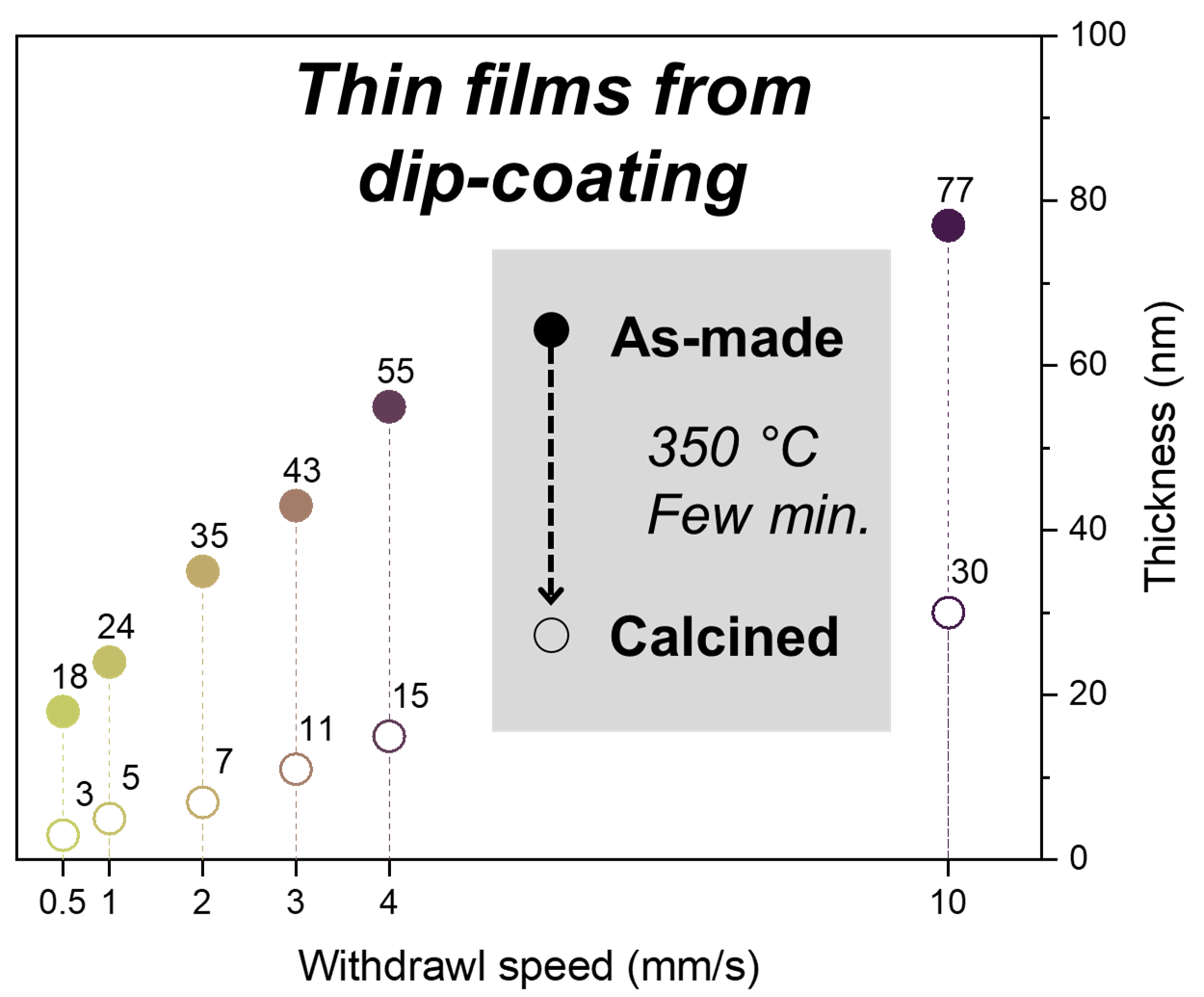 |
L. Meyniel, C. Boissière, N. Krins, S. Carenco, Langmuir 2023, 39, 728-738, doi 10.1021/acs.langmuir.2c02026 |
Nickel Carbide (Ni3C) Nanoparticles for Catalytic Hydrogenation of Model Compounds in Solvent
|
We investigated here crystalline nickel carbide nanoparticles as catalysts in colloidal suspension for hydrogenation reactions under H2 (7 bar) and below 100°C. Polar solvents appeared comparatively more favorable than less polar ones for the hydrogenation of two model substrates: nitrobenzene and phenylacetylene. Furthermore, the presence of water in the solvent mix was mostly favorable to the hydrogenation yield. We expanded the scope to a variety of aldehydes, ketones, esters, nitriles and unsaturated hydrocarbons. |
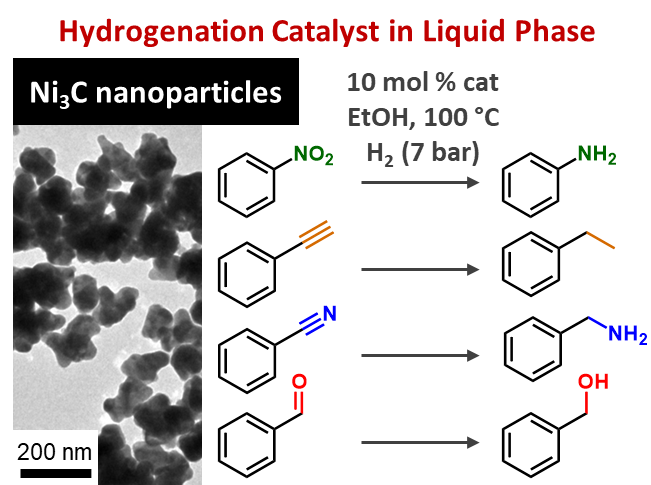 |
R. F. André, L. Meyniel, S. Carenco, Cat. Sci. Tech. 2022, doi 10.1039/D2CY00894G |
The Delicate Balance of Phase Speciation in Bimetallic Nickel Cobalt Nanoparticles
|
Due to the variety of cobalt crystallographic phases, forming fcc nanoparticles rather than phase mixture is a challenging endeavor. We found optimized conditions to form size-controlled fcc NiCo nanoparticles from preformed Ni nanoparticles. We then investigated the early stages of Co nucleation on the nickel using a lower stoichiometry of Co, down to 0.05 equiv. vs. Ni. We showed that cobalt reacts first on the nickel nanoparticles but easily forms cobalt-rich larger aggregates in the further steps of the reaction. |
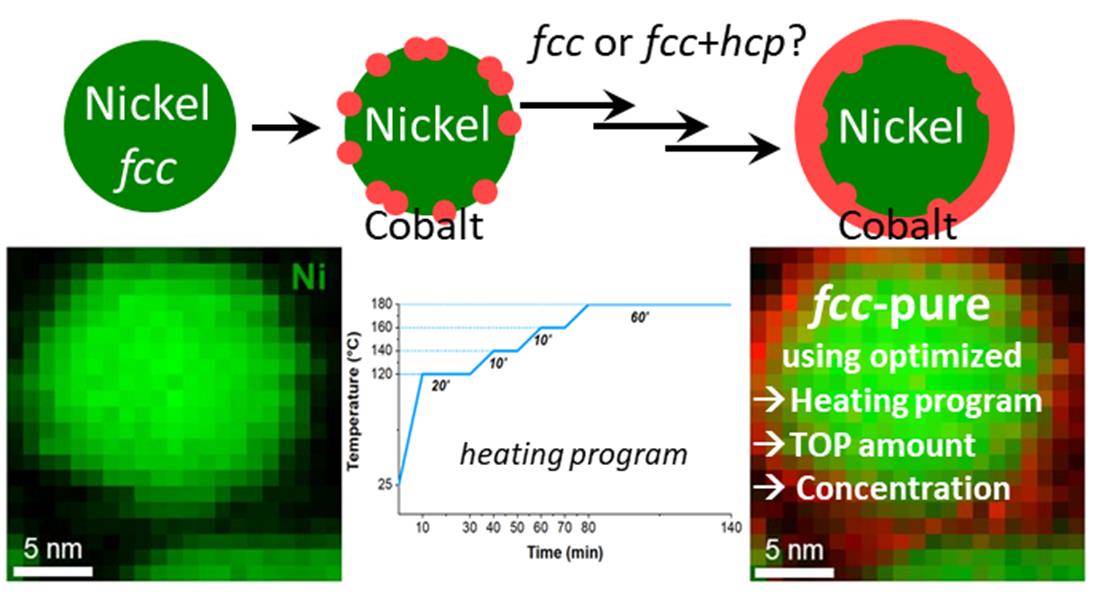 |
A. Palazzolo, C. Poucin, A. P. Freitas, A. Ropp, C. Bouillet, O. Ersen, S. Carenco, Nanoscale 2022, doi 10.1039/D2NR00917J. |
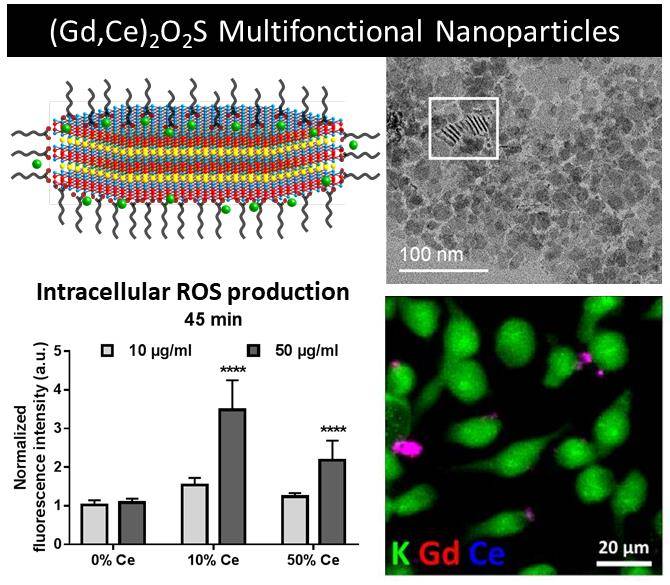
Risk Analysis and Technology Assessment of Emerging (Gd,Ce)2O2S Multifunctional Nanoparticles: An Attempt for Early Safer-by-Design Approach
|
Acceptability and relevance of nanoparticles in the society is greatly improved using a safer-by-design strategy. However, this is difficult to implement when nanoparticles are already on the market We employ this strategy for emerging nanoparticles of lanthanide oxysulfide, relevant for photocatalysis as well as for multimodal imaging. We investigated the production of reactive oxygen species (ROS) as a function of cerium content, in abiotic conditions and in vitro using murine macrophage RAW 264.7 cell line. We propose a risk analysis for lanthanide oxysulfide nanoparticles, leading to a technology assessment that fulfills the safer-by-design strategy. |
 |
A.-M. Nguyen, A. E. Pradas del Real, O. Durupthy, S. Lanone, C. Chanéac, S. Carenco, Nanomaterials 2022, 12, 422. |
Reviews
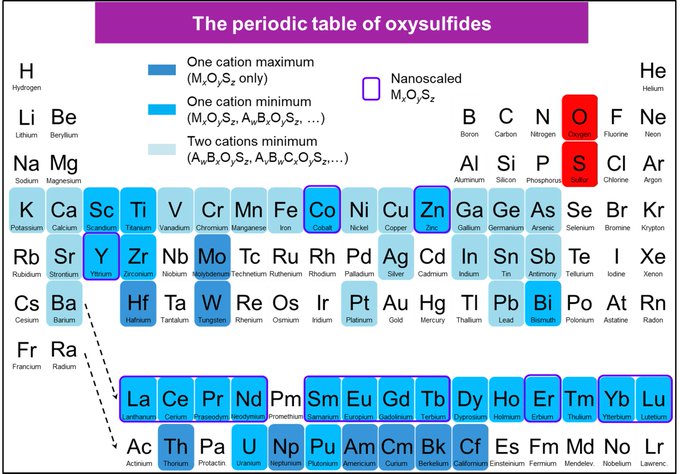
Metal Oxysulfides: From Bulk Compounds to Nanomaterials
|
This review summarizes the syntheses and applications of metal oxysulfides. Bulk compounds of rare earth and transition metals are discussed in the section Introduction. After a presentation of their main properties and applications, their structures are presented and their syntheses are discussed. The section Bulk Materials and Their Main Applications is dedicated to the growing field of nanoscaled metal oxysulfides. Lanthanide-based nanoparticles are discussed first, followed by transition-metal based nanoparticles. |
 |
|
C. Larquet, S. Carenco, Frontiers in Chem. 2020, doi:10.3389/fchem.2020.00179 |
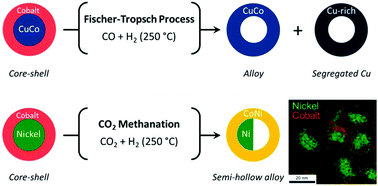
Describing inorganic nanoparticles in the context of surface reactivity and catalysis
|
Surface and core of inorganic nanoparticles may undergo profound transformations in their environment of use. Accurate description is key to understand and control surface reactivity. Through a selection of case studies, this feature article proposes a journey from surface science to nanoparticle design, while illustrating state-of-the-art spectroscopies that help provide a relevant description of inorganic nanoparticles in the context of surface reactivity. |
 |
|
S. Carenco, Chem. Commun. 2018, 54, 6719-6727 |
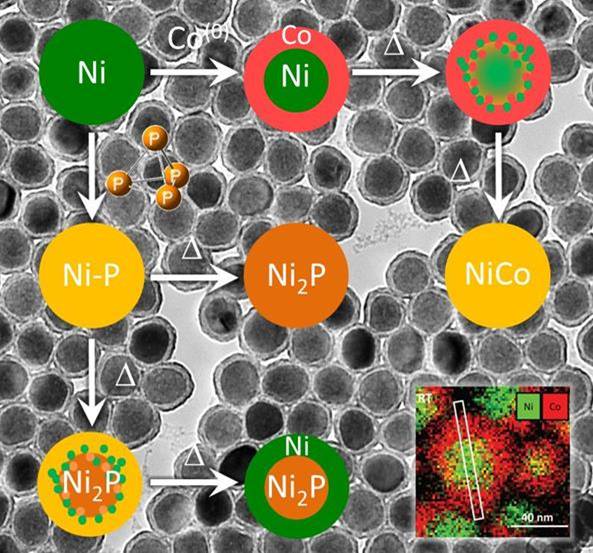
Designing Nanoparticles and Nanoalloys with Controlled Surface and Reactivity
|
This Personal Account is about the design, synthesis and monitoring of metal alloy nanoparticles. Nanoalloys represent a playground to establish structure-properties relationships within the nano-matter. The rational design of nanoalloys is discussed (reactants choice, composition control), in relation with their surface state. Consequences on heterogeneous and homogeneous catalytic reactions, as well as for energy storage and conversion, is illustrated through examples. |
 |
|
S. Carenco, Chem. Rec. 2018, 18, 1114-1124 |
Nanoscaled Metal Borides and Phosphides: Recent Developments and Perspectives
|
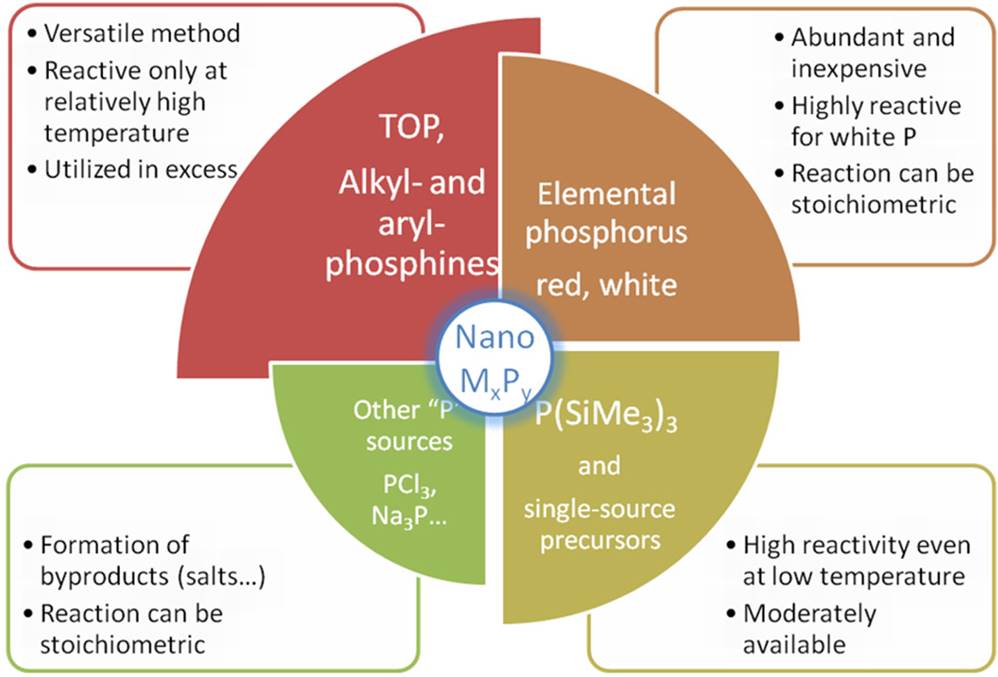
In this extensive review, we discuss about the synthesis, properties and applications of metal phosphide and metal borides nanoparticles. We show the similarities between these two classes of compounds. We comment on the trends of the field as well as on the latest advances. |
 |
|
S. Carenco, D. Portehault, C. Boissière, N. Mézailles, C. Sanchez, Chem. Rev. 2013, 113, 7981 |
Carbon monoxide-induced dynamic metal-surface nanostructuring
|
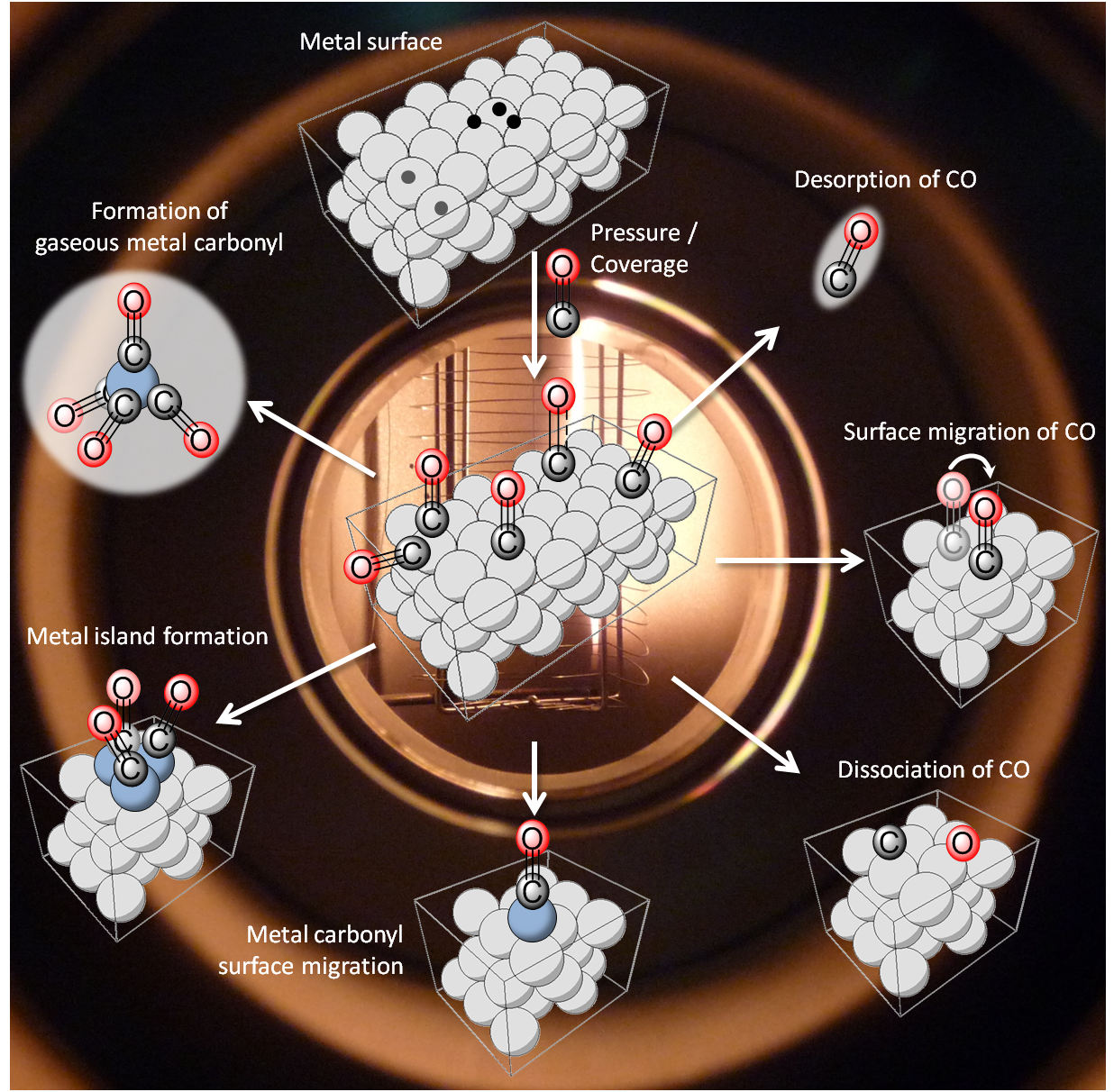
Carbon monoxide is a ubiquitous molecule in surface science, materials chemistry, catalysis and nanotechnology. Its interaction with a number of metal surfaces is at the heart of major processes, such as Fischer-Tropsch synthesis or fuel-cell optimization. Recent works have highlighted the ability of metal surfaces and nanoparticles to undergo restructuring after exposure to CO under fairly mild conditions, generating nanostructures. This Minireview deals with such nanostructuring, and discusses the driving force in reversible and non-reversible situations. |
 |
|
S. Carenco, Chem. Eur. J . 2014, 20, 10616 |
Electron Microscopy for the Chemists of Materials
|
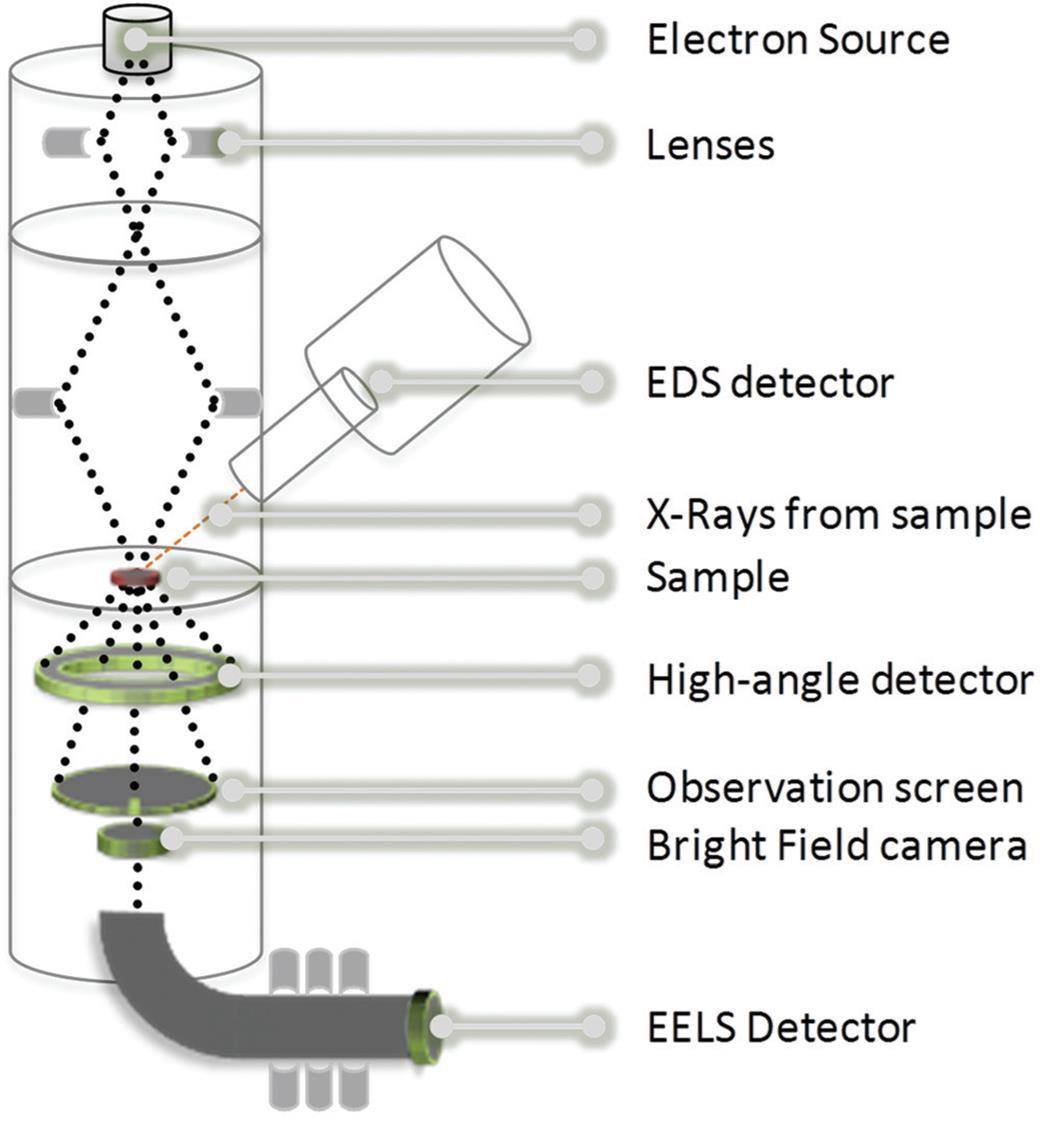
Electron microscopy is a central tool in materials sciences and nanochemistry. Combining tomography with electron energy loss spectroscopy and high-magnification imaging in high-angle annular dark-field mode provides access to all features of the same object. In this feature article, we teamed up with colleagues from Strasbourg, CEA Le Ripault, Toulouse and Paris to illustrate a few contributions of electron microscopy techniques in the field of nanomaterials: silica fibers, porous metal oxides, MOFs and metal phosphide nanoparticles. |
 |
|
S. Carenco, S. Moldovan, L. Roiban, I. Florea, D. Portehault, K. Vallé, P. Belleville, C. Boissière, L. Rozes, N. Mézailles, M. Drillon, C. Sanchez, O. Ersen Nanoscale 2016, 8, 1260 |
Exploring nanoscaled matter from speciation to phase diagrams: metal phosphide nanoparticles as a case of study
|
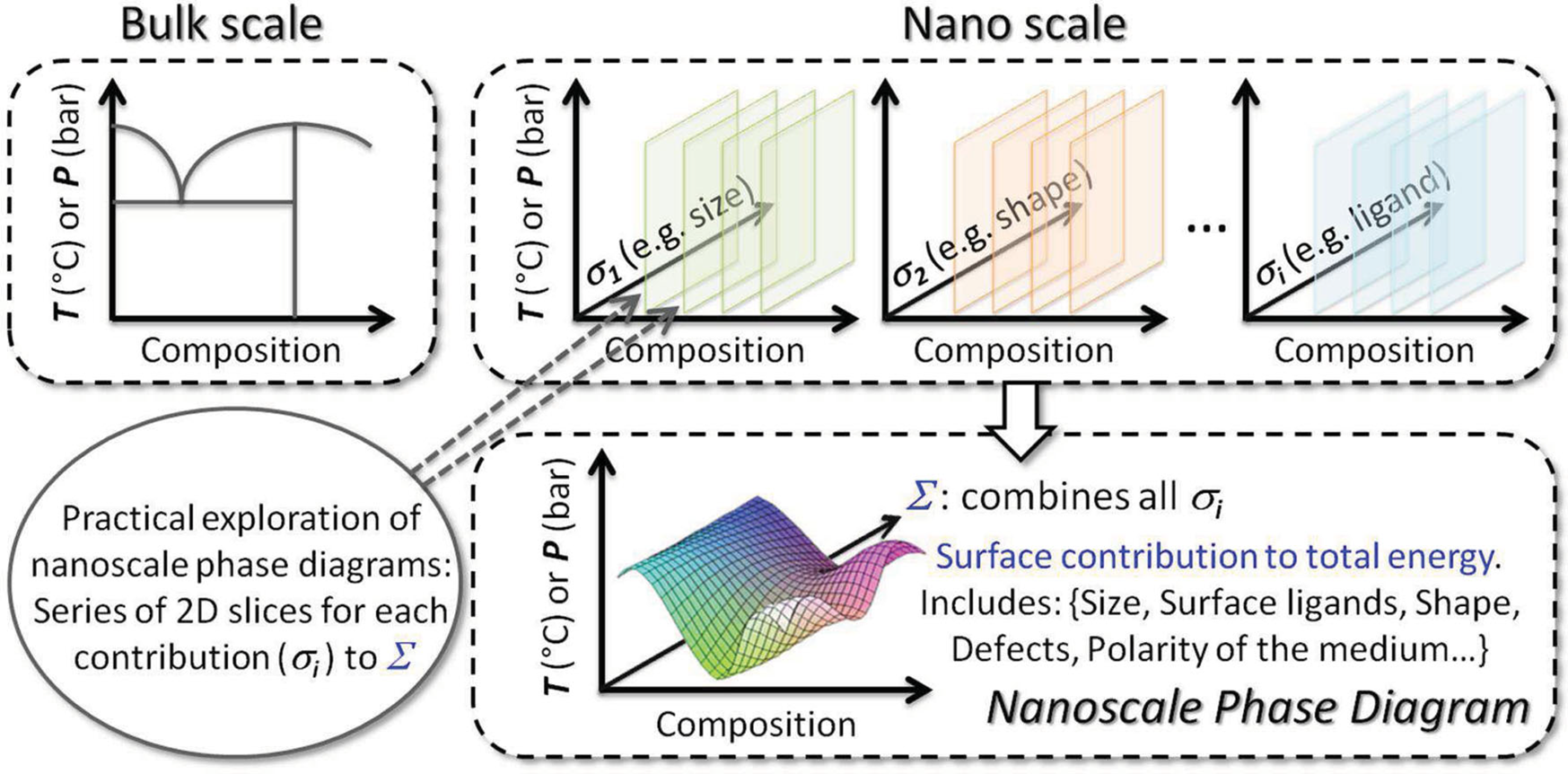
This critical review deals with the question of nanoscale phase diagram. Because of their high surface-to-volume ratio, nanoparticles sometimes show phase preferences for certain composition, or even display phase segregation phenomena that one would not expect at the bulk scale. Here, we took metal phosphides as a case study to discuss this exiting side of nanoscale matter. |
 |
|
S. Carenco, D. Portehault, C. Boissière, N. Mézailles, C. Sanchez, Adv. Mater. 2014, 26, 371 |